How to Enhance Your E-Learning Based Education with Animation?
You need to ensure that your e-learning-based education not only provides useful and valuable information but also creates an e-learning experience that engages the user, makes them willing to learn more, and puts what they have learned into practice as soon as possible. So, what is the most effective way to do this? Animations!
What is Animation in Digital Education?
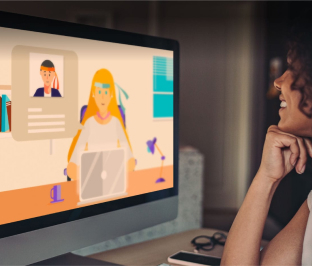
With animation, your e-learning content comes to life! People interact with 3D objects and on-screen characters, taking the learning experience to the next level.
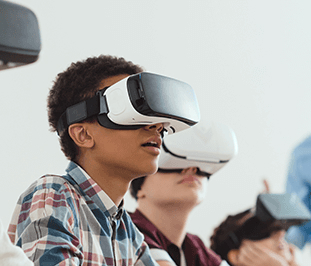
Using interactive media makes it possible for users to immediately notice points that are stuck in their minds and for instructors to respond. Some companies have even started adding VR (virtual reality) to digital learning modules due to its multi-dimensional nature, which increases retention rates and overall engagement.
These types of multi-dimensional learning experiences contribute to safety-critical procedures as well as sales-based training.
Types of Animation for E-Learning
There are many different types of animation, but we can basically divide them into four categories: live-action, stop motion, tweening, and traditional. Each style has its own unique look and points that can really contribute to your digital education when used correctly.
The type of animation you choose should depend on the story in your training. For example, if you want to create a video for users who want to learn how a feature works, it is best to have nothing moving other than the point you want users to focus on. In this case, sticking with tweening or traditional animation is the best option.
But if you have a training video where you need a voiceover explaining key terms or highlighting something specific at certain points during your videos, using live-action would be the best option.
Sometimes switching between different styles within a video is a fun way to keep users' focus fresh. When deciding which technique is best for your company, you should consider factors such as text overlays, required production time, and audience/purpose.
Benefits of Animation in E-Learning
You can increase understanding and engagement by using videos in e-learning. When you add movement, sound, or color to your digital training materials, you create an environment where learning truly takes place. Let's look at the benefits of animation in e-learning:
- Ability to Increase Understanding: Adding movement with animations when explaining a concept allows users to visualize their understanding of what they hear. You've heard the saying "A picture is worth a thousand words." A moving image is much more memorable than a still image.
- Ability to Teach Concepts Visually: If a picture is worth 1000 words, an animated illustration may be worth even 10,000 words! Instructors can replace long texts with simple and clear visuals thanks to animations. Furthermore, it has been proven by research that most people prefer visuals over text. Because our brain processes images 60,000 times faster than plain text.
- Opportunity to Increase Retention Rate by Offering a Learning Method Option: Experts state that there are four different learning styles. Some people learn better by listening, while others need to see as well as hear. Stimulating multiple senses will help you reach all types of users in your audience.
- Providing Engaging Marketing Materials: Animated videos are widely used on social media platforms such as Facebook, Instagram, YouTube, and Twitter. Since users are used to seeing moving images, you can attract more people to your brand when your social media posts are also animated.
- Accelerates Training Time: Human resources departments are always looking for ways to train employees more efficiently and effectively. Training becomes more effective and efficient with micro-learning using animated videos. Animated training modules can be explained more easily than text, saving both time and money.
Questions to Consider When Adding Animation to Your Digital Education
The first thing to consider when adding animation to your digital education is to understand why you want to add animation. First, you should ask yourself what problem you think animation can solve in your training. Are there aspects of the training that can be better explained with animations? What purpose will the animation serve in this training?
Once you have determined these, you need to consider the needs of the animation.