The Game is the Same Game; What Makes the Difference is Facilitation
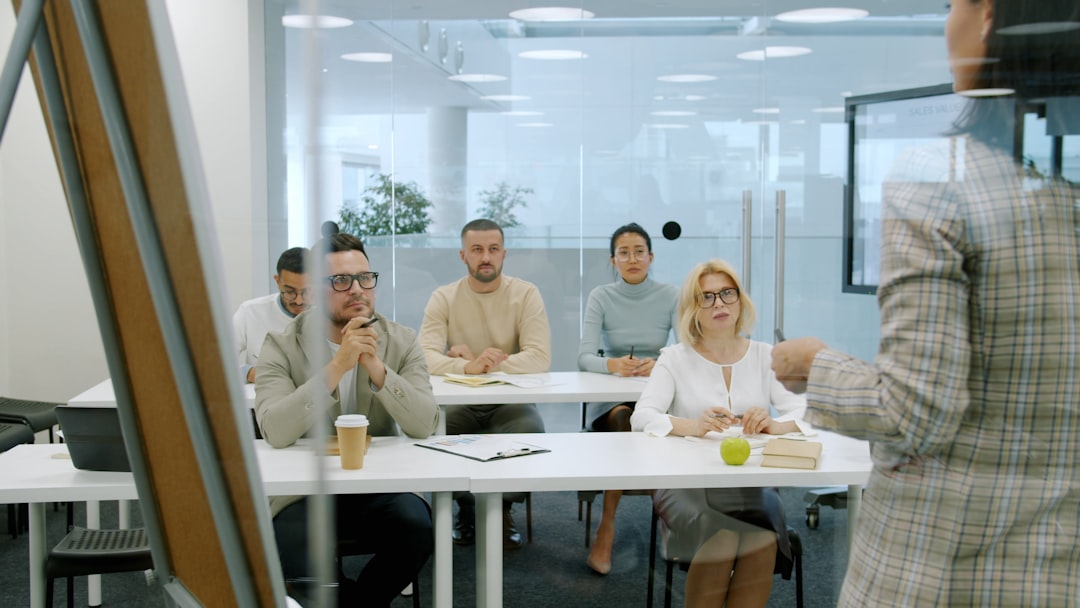
The same serious game can yield completely different results in two different organizations. In one, people say "it was fun" and disperse; in the other, months later, it's still referenced in meetings with phrases like "remember what we did during the oxygen crisis on Mars...". The difference is not in the game, but in how the session is facilitated. In this article, we open up the curtain minute by minute on a 90-minute facilitated session — both for those curious about "what's going on inside?" and to provide a realistic roadmap for HR teams planning their own events.
Pre-Session: Invisible Preparation
A good session is won before it even begins. In a brief discovery meeting with the facilitator, three questions are clarified: What is the goal? (team cohesion, leadership, communication?) Who is the team? (departments, hierarchy, sensitivities) What is the format? (physical, remote, hybrid). The game is chosen according to the answers — a cooperative task game if full collaboration is the goal, a competitive management simulation if negotiation skills are to be exercised. Team distributions are also made consciously: departments are mixed with the goal of breaking silos, and natural leaders are not grouped into the same team.
Minutes 0-15: Opening and Setup
Participants enter the room code on their phones — this step truly takes 2 minutes as there's no installation or download. The facilitator briefly sets up the game's universe ("today we will transport humanity to Mars"), preferring to teach the rules within the game itself; there are no long rule explanations. A critical opening message is given: "Today, mistakes are free — this is a safe space precisely for making mistakes."
Minutes 15-70: The Game — and the Facilitator's Silent Work
While the game flows, the facilitator observes not the score, but the behavior: Who took initiative? Which team clarified roles, and which one plunged into chaos with everyone rushing to do everything? When a crisis card appeared, did communication increase, or did silence prevail? If necessary, the pace is adjusted — a surprise challenge for the leading team, breathing room for those falling behind. These observations are the raw material for the debrief, which is the main product of the session. (We explained how we designed these kinds of crisis mechanics in our games in our Before Mars article.)
Minutes 70-90: Debrief — The Moment Experience Transforms into Learning
The game ends, the real work begins. The structured debrief proceeds in three layers:
- What happened? Teams tell their own story; the facilitator adds observations ("your communication completely broke down in the third round — did you notice?").
- Why did it happen? The underlying dynamics of the behavior are discussed: role ambiguity, information hoarding, priority conflicts...
- What's the real-world equivalent? The bridge question: "Where do we experience this breakdown in our projects?" — the answers often initiate the most honest conversation in the room.
These 20 minutes are the part that transforms the session from a "fun activity" into a "learning experience"; if skipped, the lasting impact of the game largely evaporates.
Post-Session: Insight Report
Within a few days, a brief insight report is sent to HR/management: observed team dynamics, prominent strong behaviors, areas for development, and suggested follow-up steps. The report does not "grade" individuals; it makes patterns visible at the team level — this distinction is critical for trust.
3 Common Mistakes (and Their Antidotes)
- Cutting the debrief short: When the schedule is tight, the debrief is the first thing sacrificed — yet, that's where the real value lies. Antidote: plan the session as 90+30 from the start.
- Making the manager an observer: If the manager doesn't play and only observes, the team enters "we are being evaluated" mode. Antidote: everyone is a player, titles are left at the door.
- Leaving it as a one-off: A single session is a spark; culture is built with rhythm. Antidote: a quarterly game ritual.
Plan Your Own Session
The entire flow — game selection, facilitator, debrief, and report — is available in a ready-made package: Serious Game Facilitation Package. You can try the games with your team for free beforehand; if you are undecided on the format, our 5-format team building guide will show the way. If you are new to the serious game concept, let this guide be your starting point.
Frequently Asked Questions
Can the session be conducted entirely remotely?
Yes. The games are browser-based; when combined with video conferencing, the entire flow, including the debrief, runs remotely.
How many participants can it scale to?
Typically 12-40 people in a single session; for larger groups, parallel sessions and a joint closing are designed.
Does the insight report include personal evaluation?
No — the report is at the team level. The aim is not to score individuals, but to make team dynamics visible; this principle is shared from the outset.
Can we play the game again on our own later?
Yes — with a licensing option, you can use the game within your organization as often as you wish, and if desired, we can also train your own facilitators.